PAW & PLACE · PET CARE
Why We Believe in Adopting Pets
Independent general education based on cited veterinary and animal-care sources. This is not an individual diagnosis or treatment plan; ask your veterinarian to adapt care to your pet. It is not an official AAHA guideline.
At Paw & Place, we support “adopt, don’t shop” because animals already waiting for homes deserve to be part of the conversation whenever someone considers a new companion.
Adoption begins with a hopeful possibility: an animal who needs a home and a person who can offer one. Making that possibility work takes honest questions, preparation, and a commitment that continues long after the first photograph together.
Here is why we believe adoption deserves your consideration, and how to approach it with the animal’s long-term wellbeing in mind.

A home can make a meaningful difference
The need is substantial. Shelter Animals Count estimates that 5.8 million cats and dogs entered shelters and rescues across the United States in 2025, while 4.2 million were adopted. These are US estimates; they do not describe every country or the circumstances at an individual shelter. They do show how many animals pass through one country’s sheltering system in a single year. Source: Shelter Animals Count’s 2025 Annual Data Report.
For a suitable animal, adoption provides a home beyond shelter or foster care. It can also help an organization make room and direct resources toward other animals. The effect depends on local circumstances, so sweeping promises about a fixed number of lives saved by each adoption deserve caution.
The most immediate reason to adopt is enough on its own: you can offer an animal who needs a home the care and stability you are ready to provide.
Adoption offers a way to avoid harmful puppy-selling practices
Animal welfare concerns extend beyond the animal a prospective owner first sees. The ASPCA describes how puppy mills supply puppies to pet stores and online retailers, with breeding dogs kept in conditions that can compromise their welfare. An appealing listing or a clean storefront does not, by itself, establish how those dogs were raised. Source: ASPCA on the commercial puppy pipeline.
Choosing an established shelter or rescue offers a route to a companion without purchasing through that pipeline. Ask questions wherever you look: where did the animal come from, what records are available, and who will help if difficulties arise?
Our advocacy is an invitation to make a considered choice. Every animal already in someone’s care deserves kindness, whatever their origin.
The right match matters more than a photograph
A face can catch your attention. A lasting match depends on daily life.
Think about your working hours, activity level, housing, existing animals, and everyone who shares your home. Ask the shelter what it knows about the individual pet’s temperament, routines, and care needs, including what remains uncertain.
Dogs Trust, for example, considers applicants’ homes and lifestyles and may arrange several meetings before adoption. Its process illustrates the value of taking time to assess compatibility; procedures differ between organizations. Source: Dogs Trust’s adoption process.
Be open about your limits. An animal who needs extensive training, a particular environment, or ongoing treatment may need a different home from the one you can offer. Waiting for a suitable match is a responsible decision.

Adult and senior pets deserve a closer look
Puppies and kittens naturally attract attention, but adulthood can bring qualities worth considering. The ASPCA notes that older pets have more developed personalities, may already have training, and can continue learning new skills. An adult or senior companion may suit your household particularly well. Source: ASPCA on adopting senior pets.
Age alone does not tell you whether a pet is calm, house-trained, or comfortable with other animals. Ask about the individual. Review available veterinary records and discuss likely care needs with a veterinarian before deciding.
An older pet deserves a home chosen with the same care as a younger one. Consider the practical support you can provide as their needs change, alongside the companionship you hope to share.
Plan for the years after adoption day
The adoption fee is only one part of the commitment. Food, routine veterinary care, appropriate equipment, grooming, and help during travel can all form part of ongoing care. Unexpected expenses need consideration too.
The American Veterinary Medical Association emphasizes that choosing a dog means taking responsibility for its food, shelter, companionship, exercise, and physical and mental health throughout its life. It recommends careful planning rather than an impulsive decision. Source: AVMA’s guide to selecting a dog.
Before committing, ask:
- What care and records come with the adoption, and what will I need to arrange?
- Can I meet this animal’s daily needs alongside my existing responsibilities?
- Who can help during illness, travel, or a change in circumstances?
- What advice and support does the organization offer after adoption?
Clear answers make it easier to welcome a pet with realistic expectations.
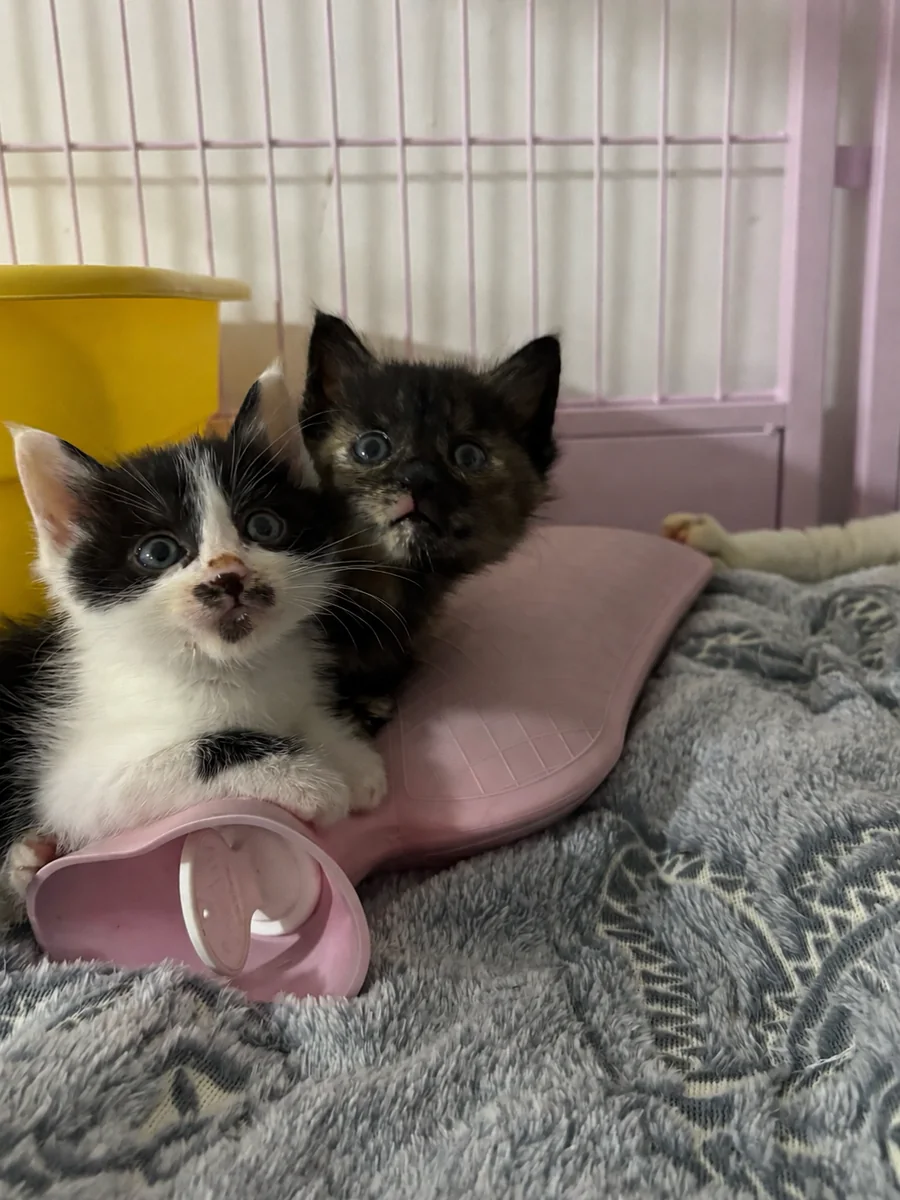
Give your new companion time
Moving into an unfamiliar home is a significant change. Dogs Trust recommends letting a newly adopted adult dog settle at their own pace, providing a quiet resting area, maintaining a routine, and avoiding forced interaction. It also cautions that behavior in a home cannot always be predicted from behavior in kennels. Source: Dogs Trust’s settling-in guidance.
Ask for guidance appropriate to your pet’s species and circumstances. There is no single timetable every animal must follow. Seek help from the adoption organization, a veterinarian, or a qualified behavior professional when concerns arise.
There are other ways to help
You can support animals even when adoption is not right for you. Ask a local organization whether it needs volunteers, supplies, or foster homes. Fostering also requires a clear understanding of responsibilities and available support.
Helping people keep their existing pets matters too. Humane World for Animals identifies housing insecurity and barriers to care as animal-welfare concerns and supports access to veterinary services and pet essentials. Source: Humane World for Animals on access to care.
If you are ready for a companion, start a conversation with a reputable local shelter or rescue. Meet the animals, ask questions, and take the time you need. A thoughtful adoption is the beginning of everyday care, and that is where a lasting home is built.

These photographs show animals and objects visible in the images. They do not identify an animal’s age, adoption status, health, ownership, or history.